
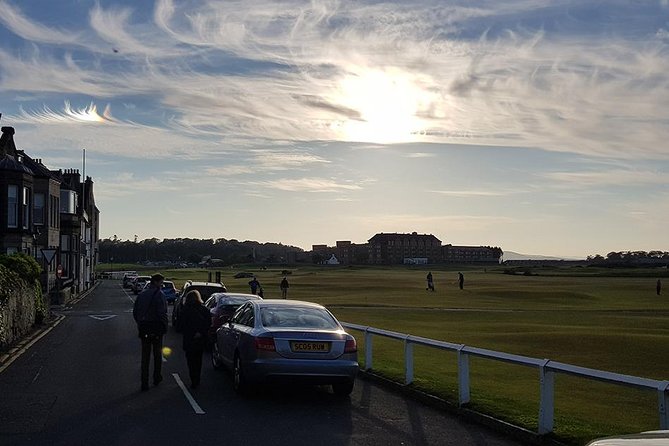
REVIEW · ST ANDREWS & THE KINGDOM OF FIFE
St Andrews Tours: Town, Golf and Old Course History
Golf history hits the sidewalk fast. This St Andrews tour pairs big-name golf stories with real town landmarks, led by a local author style guide. You’ll also spend time at the Old Course learning how the game grew into the place you see today, with a friendly, human pace.
What I like most is how the walk stays practical while still feeling like you’re getting the backstory. You’ll hit the Scotland connection at the University of St Andrews (founded in 1413), then move into the moments that shaped golf, including Tom Morris and Allan Robertson. One thing to plan for is that it’s a walking tour. If you have hip or knee issues, slow mobility, or you use walking aids or a stroller, this likely will not work well.
The format is also built for fitting into your day: there are multiple departure times, the group stays small (max 20), and the tour is in English. It starts at T-Squared Social in town and finishes near the heart of the Old Course, so you can keep exploring right after.
In This Review
- Key things to know before you go
- Entering St Andrews on foot, with a guide who tells the whole story
- Starting at T-Squared Social, where modern golf culture meets the old town
- University of St Andrews (1413) and the “why this town became a center” moment
- St Andrews Cathedral ruins, and the golf memorials you’ll actually remember
- St Andrews Castle, Bishops Palace history, and the Open Championship origin story
- The Old Course itself, including the 1st/18th fairway walk
- Swilcan Bridge photo stop, finishing right by the heart of the game
- Price, timing, and value for a 1 hour 45 minutes town-and-golf history route
- What kind of guide style you’ll want (and why many people love this one)
- Who should book this St Andrews history and Old Course walk
- Should you book this St Andrews Tours walk of town, golf, and Old Course history?
- FAQ
- How long is the St Andrews Town, Golf and Old Course History tour?
- Where does the tour start and where does it end?
- What language is the tour offered in?
- Is the tour suitable for young children or strollers?
- Is it a lot of walking?
- Will I walk on the Old Course fairways during the tour?
- Is Swilcan Bridge included on tournament days?
- Is cancellation free, and how late can I cancel?
Key things to know before you go
- Small group size (max 20) keeps the storytelling flowing and questions easy to fit in.
- English only, and the guide speaks fast, so plan on comfortable, fluent listening.
- Old Course access includes walking across the 1st/18th fairway, with extra safety attention during live play.
- Free entry for tour stops means you can focus on the sites, not ticket math.
- Swilcan Bridge is excluded on tournament days, so your finish might differ if events are on.
Entering St Andrews on foot, with a guide who tells the whole story
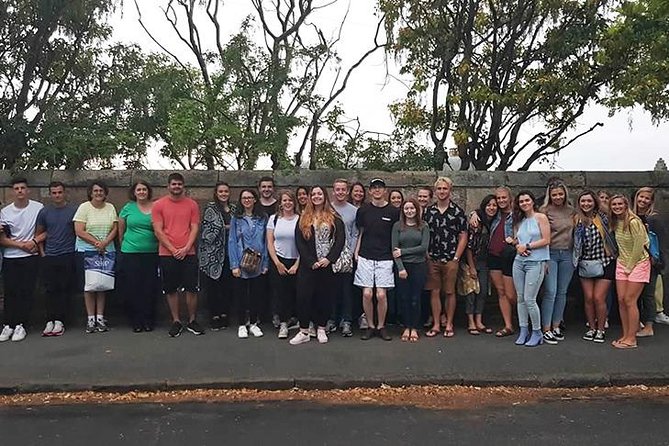
This is the kind of tour that helps you stop seeing St Andrews as a postcard. Once you walk the town with someone who knows the golf timeline, the places start to make sense. You understand why certain buildings matter, why certain people get memorials nearby, and why the Old Course became the center of the sport.
I also like that the pace feels set up for real sightseeing. You’re not rushing through each stop just to check boxes. Even with a tight 1 hour 45 minutes, the tour structure gives you time to look, listen, and reset as you move.
The biggest practical point is the walking. The tour is designed for people who are comfortable on their feet. And there’s one extra layer at the Old Course because golf balls can be in play. That does not mean you’ll be scared or rushed, but you do need to pay attention and keep your head up.
Starting at T-Squared Social, where modern golf culture meets the old town
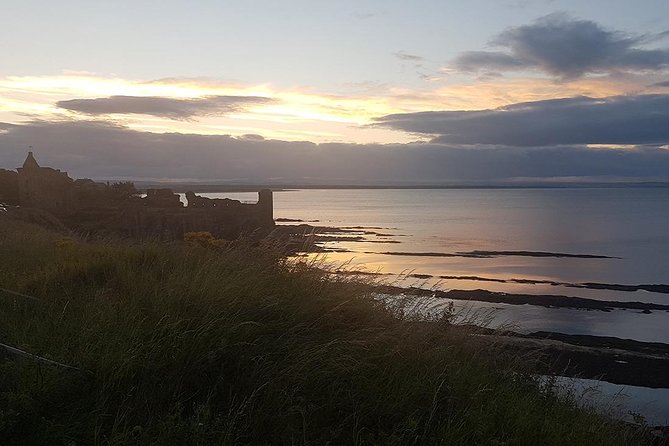
Your tour begins at T-Squared Social, 117 North St, St Andrews. It’s a bar and restaurant connected to the sports world, with virtual golf and other sporting activities. Even before you reach the historic sites, it gives you a helpful mental bridge between old and new.
This first stop is short, about 2 minutes, but it sets the tone. You get a welcome moment from the guide and a sense of how St Andrews’ golf identity is still alive and evolving. If you’re arriving early, you might want a quick look around and plan your footwear for the walking ahead.
I’d also treat the start as your staging point. After you meet here, you’re moving through town into the university and ruins, then onto the Old Course proper. So it helps to have your water, camera, and sensible layers ready right away.
Over the bridge into Fife, other versions of the day
- St Andrews Must-Sees Daily Walking Tour (11am & 2pm)
★ 5.0 · 478 reviews - St Andrews Old Course History Tour, for the Golfer
★ 4.5 · 150 reviews - St Andrews Tours: Town, Golf and Old Course History
★ 5.0 · 138 reviews - Private St. Andrews: Home of Golf Old Course Walking Tour
★ 5.0 · 69 reviews
University of St Andrews (1413) and the “why this town became a center” moment
Next you’ll head to the University of St Andrews, a major stop for understanding the town’s deeper roots. The guide focuses on Scotland’s oldest university, established in 1413, and you’ll visit areas tied to St Salvator’s College and the University Chapel.
This part is valuable even if you are not a history or education person. Universities shape towns. They change who lives there, what gets built, and how ideas spread. In a place like St Andrews, it also helps explain why the town could support a world-famous golf culture, because the community is not only about sport. It’s about people, learning, and long-term institutions.
The stop is about 10 minutes, so you’re getting a guided orientation rather than a full museum visit. Still, it’s enough time to see the scale and feel of the grounds, especially if you slow down for a minute and look at the stone and the layout.
St Andrews Cathedral ruins, and the golf memorials you’ll actually remember
At St Andrews Cathedral, the tour gets more emotional and more specific to golf. You’ll spend around 20 minutes learning about the iconic ruins and paying respects to golfing greats connected to this area, including Old and Young Tom Morris, Allan Robertson, and Jamie Anderson.
This is where the stories stop being abstract. The guide ties the evolution of the sport to real names and real legacy. If you love golf, you’ll likely enjoy how the memorial stops create a sense of continuity, like you’re walking along the sport’s family tree. If you are not a golfer, it still lands because it’s about famous people tied to the place, and the ruins give it a real sense of time and loss.
A practical consideration: ruins areas can be uneven. Bring shoes with grip, and give your eyes a second to adjust to the ground underfoot while you’re listening to the guide.
St Andrews Castle, Bishops Palace history, and the Open Championship origin story
From the cathedral, the tour moves toward St Andrews Castle, which you’ll learn about as a former Bishops Palace. This stop is about 10 minutes, and the key theme is power and influence, not just walls and views.
Then you walk toward the Old Course while the guide connects the golf dots. You’ll hear about Tom Morris, Allan Robertson, and how the Open Championship began. That connection is the value here. The Old Course is not just a venue, it’s a machine that helped define competitive golf.
Even if you already know the names, this is often the part that makes the timeline click. You go from seeing iconic spots to understanding how the sport organized itself around competition. And you get that in the middle of the walk, not as a dry history lecture that happens away from the scenery.
The Old Course itself, including the 1st/18th fairway walk
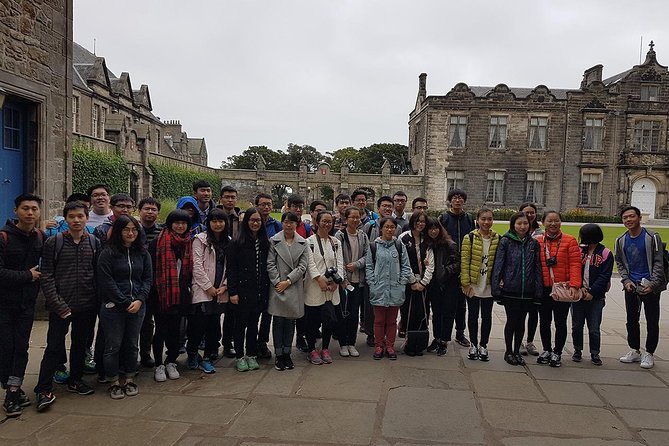
Now for the big reason most people book this. You’ll spend about 40 minutes at the Old Course, learning about the evolution of golf and how the Old Course developed, along with adjoining landmarks nearby.
Here’s the detail that matters for your day: the tour includes walking across the 1st/18th fairway. You do this at your own risk, and you must keep an eye out for golf balls during live play. That means you should assume you’ll occasionally be looking down and watching what’s around you, not just staring at scenery.
Also, if you’re sensitive to noise or motion, be ready for the fact that this is an active place. The tour isn’t recreating a quiet, empty museum. It’s inside real golf life.
One helpful planning idea is about timing. If your travel dates allow it, consider a Sunday, because there is no golf played on the Old Course then. The course becomes more like a public park for walking, which can make the experience feel calmer. If your schedule is flexible, this is a simple way to reduce the stress of live-play balls.


Swilcan Bridge photo stop, finishing right by the heart of the game
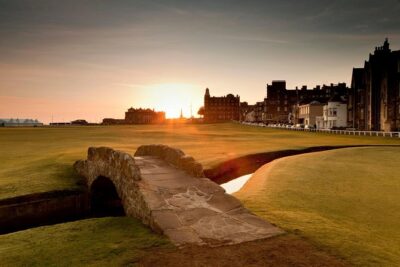
Your tour finishes at Swilcan Bridge, near 17 The Links, St Andrews KY16 9JE. The photo opportunity is about 10 minutes. This is the classic image you came for, the small stone-and-iron spot that has become shorthand for St Andrews.
One key note: the stop excludes tournament days. So if you’re traveling during an event week, you might not get the same finish. It’s still worth going, but it helps to know the ending can shift when the course is busy.
The nice thing about the finish is where it places you mentally. After the guide explains what you just saw, seeing the bridge again feels earned. It’s not just a photo moment. It’s a visual link back to the names and the evolution you heard on the walk.
Price, timing, and value for a 1 hour 45 minutes town-and-golf history route

The price is $27.78 per person for about 1 hour 45 minutes. That can feel surprisingly affordable when you compare it to the cost of a “headline” golf visit plus a separate history walk.
Value comes from three places:
- A local guide leads the whole thing in English, and this matters because the tour is story-driven. A strong guide changes the experience from facts you forget into context you remember.
- Stops have free admission during the tour, so you’re not constantly paying extra just to keep moving.
- You pack multiple anchors of St Andrews into one outing: university foundations, cathedral ruins, the castle site, and Old Course development, plus the Swilcan Bridge finish.
Timing also matters. With multiple departure times, you can fit it around other plans in St Andrews without turning your day into a full-day logistics puzzle.
There is a catch, though. This is a fast-paced walk, and the tour is short enough that you may not have time for long detours. If you need frequent breaks, I’d plan ahead and use restrooms before you start. One negative experience in the feedback involved someone needing a restroom and not being able to rejoin the group, so I take that as a sign to be proactive.
What kind of guide style you’ll want (and why many people love this one)
The most praised aspect across the feedback is the guide. People describe the guide as funny, entertaining, and sharply focused on making the history make sense. Many comments highlight that the guide knows golf deeply while still teaching St Andrews as a town.
A name that shows up often is Richard. You’ll also hear that some guides, including Richard, have strong local credentials, such as writing books about St Andrews and having a background connected to golf. Even if you do not get the same guide every time, the big takeaway is the same: you should expect humor, clear explanations, and real storytelling, not just dates.
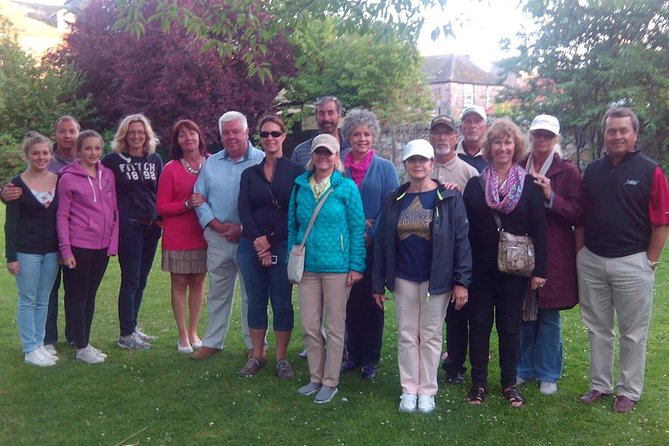
One more bonus that comes through in the feedback is attention to small details like taking group photos. That’s not life-changing, but it does make the tour feel organized and thoughtful.
Who should book this St Andrews history and Old Course walk
This works best for people who want the story behind the scenery. If you like golf, you’ll appreciate the Tom Morris, Allan Robertson, and Jamie Anderson connections, plus the Open Championship origins thread tied to the course. If you do not golf, you’ll still get a satisfying town-and-institution overview, with the university and cathedral ruins giving the day emotional weight.
It also suits solo travelers, couples, and small groups who want a structured route. Because the group size caps at 20, it tends to feel manageable rather than crowded.
It may not suit you if:
- walking is hard for you, or you have hip/knee problems
- you use mobility aids, like frames or crutches
- you need a stroller or carriage
- you have trouble keeping up with a moderate walking pace
- you need frequent restroom stops during the main route
And because the tour is English, you’ll want comfortable listening. Speaking slowly or translating does not work for this format, so plan on your English staying strong.
Should you book this St Andrews Tours walk of town, golf, and Old Course history?
I think you should book if you want one outing that covers both sides of St Andrews, town life and golf legacy, without extra ticket headaches. The price is low enough that you’re paying for the guide, not a pile of admissions. And the Old Course element, including the 1st/18th fairway walk and the Swilcan Bridge finish, is hard to replicate on your own without knowing where to stand and what to look for.
You might skip it if you cannot do the walking comfortably or if you’re worried about golf balls during live play. If you do book, treat the tour like a walk with safety awareness, wear stable shoes, and have a restroom plan before you start.
If your priority is the photo spots plus history, and your English is strong enough to follow quickly spoken stories, this is a smart way to get your bearings fast and leave with names, dates, and meaning attached to the landmarks you came to see.
FAQ
How long is the St Andrews Town, Golf and Old Course History tour?
It’s about 1 hour 45 minutes.
Where does the tour start and where does it end?
It starts at T-Squared Social, 117 North St, St Andrews KY16 9AD, UK and ends at Swilcan Bridge, 17 The Links, St Andrews KY16 9JE.
What language is the tour offered in?
The tour is offered in English.
Is the tour suitable for young children or strollers?
Under 5s are free, but it is not suitable for under 2s. It is not suitable for baby strollers or carriages.
Is it a lot of walking?
Yes, it’s a walking tour. You should have a moderate physical fitness level, and it is not suitable for travelers with walking difficulties or hip/knee problems.
Will I walk on the Old Course fairways during the tour?
Yes. You walk across the 1st/18th fairway. You do this at your own risk and must keep an eye out for golf balls during live play.
Is Swilcan Bridge included on tournament days?
Swilcan Bridge excludes tournament days.
Is cancellation free, and how late can I cancel?
Free cancellation is available. You can cancel up to 24 hours in advance for a full refund. If you cancel less than 24 hours before the start time, the amount paid is not refunded.
A Wider Spread of Tours

The Rest of What We Wrote Up
Over the Bridge Into Fife
Newest write-ups around St Andrews
- St. Andrews Scenic Stroll: A Private Walking Exploration★ 5.0 · 6 reviews
- The Original St Andrews Photo Shoot Tour★ 5.0 · 7 reviews
- A Wee Walk and a Cocktail in St. Andrews★ 4.0 · 7 reviews
- St Andrews Walking Tours★ 5.0 · 8 reviews
- Barrel-top whisky tasting in St Andrews★ 5.0 · 20 reviews
St Andrews & the Kingdom of Fife, compared.
 ★ 4.5St Andrews & the Fishing Villages of Fife Small-Group Day Tour from EdinburghFrom $591,973 reviews
 ★ 4.5Rosslyn Chapel, Dunfermline Abbey and Stirling Castle Day TourFrom $77649 reviews
 ★ 5.0St Andrews Must-Sees Daily Walking Tour (11am & 2pm)From $20478 reviews
 ★ 4.5St Andrews & The Fishing Villages of FifeFrom $73431 reviews
 ★ 5.0St Andrews & Cliffs and Dunnottar Castle in Spanish.From $89178 reviews
 ★ 4.5St Andrews Old Course History Tour, for the GolferFrom $25150 reviews
 ★ 5.0Private St. Andrews: Home of Golf Old Course Walking TourFrom $19469 reviews
 ★ 5.0St Andrews and the Kingdom of Fife from GlasgowFrom $5068 reviews
Browse the lists this tour appears in