

REVIEW · WALKING TOURS
Charles Rennie Mackintosh Walking Tour: Saturdays 10am
Mackintosh turns Glasgow streets into a living map. On this Charles Rennie Mackintosh walking tour, you follow his influence across central landmarks, then finish at Mackintosh at the Willow with your tour ticket included.
I like the small-group feel and the laid-back pace, so you can actually take in the details instead of rushing past them. I also like that the stories connect Mackintosh to real Glasgow places, from the Clutha Bar to Sloans and the Glasgow Art Club. The main drawback to plan for is that most stops are exterior-only views, and only the final Willow exhibition entry is included.
In This Review
- Key things I’d watch for
- A Saturday design walk that turns the city into a classroom
- Price and value: what you’re paying for (and what you’re not)
- Start at Clutha & Victoria Bar, then build context fast
- The route from Mackintosh’s Glasgow to the Willow Tearooms exhibition
- Stop 1: The Clutha Bar (10 minutes, exterior)
- Stop 2: Saint Enoch Square (10 minutes, free)
- Stop 3: Sloans (5 minutes, exterior)
- Stop 4: Buchanan Street and the Willow Tearooms reproduction (5 minutes, exterior)
- Stop 5: The Lighthouse (20 minutes, exterior visit only, exhibition time)
- Stop 6: The Daily Record Building (10 minutes, exterior)
- Stop 7: Glasgow Savings Bank Building (5 minutes, exterior)
- Stop 8: Bath Street Palomino, Mackintosh’s first married flat (10 minutes, exterior)
- Stop 9: The Glasgow Art Club (15 minutes, exterior)
- Stop 10: Mackintosh at the Willow (about 60 minutes total, ticket included)
- Guides make the difference: Tommy, Vas, and Louise style energy
- How pacing works, and what to wear for Glasgow weather
- Who should book, and who might want a different plan
- Should you book the Charles Rennie Mackintosh Walking Tour?
- FAQ
- What day and time does the Charles Rennie Mackintosh walking tour run?
- How long does the tour take?
- Where does the tour start and where does it end?
- Is the tour offered in English?
- How many people are in the group?
- Is admission included for all stops?
- What happens if weather is poor or I need to cancel?
Key things I’d watch for
- Small group (max 15), ideal for questions without feeling lost in the crowd
- Saturday 10am timing that works well if you want a morning activity in central Glasgow
- Mostly street-level seeing, so you focus on architecture and context, not long museum time
- A guided path through Mackintosh connections you may miss if you only use guidebooks
- The Willow exhibition at the end is included, giving the walk a strong payoff
A Saturday design walk that turns the city into a classroom
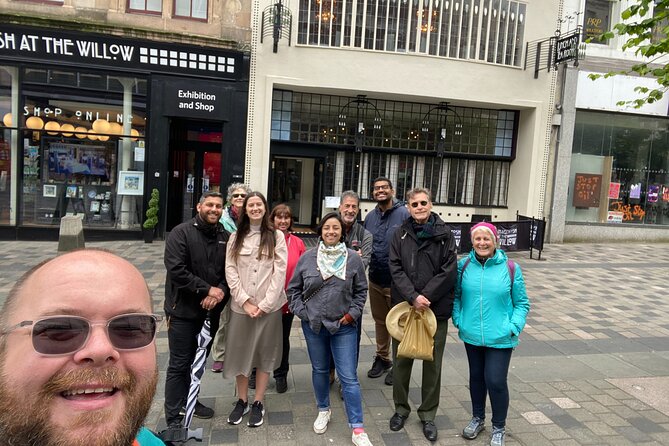
If you like architecture that feels tied to daily life, this tour is a smart choice. Glasgow is one of those cities where design history is not locked behind velvet ropes. It’s out there in building facades, street layouts, and the kind of bold choices Mackintosh was known for.
You’ll get roughly a two-hour loop through the centre, paced for real viewing time, not constant walking. And the finish matters. You end at Mackintosh at the Willow, where you can keep learning right after the last street stop, instead of trying to connect dots on your own later.
This is also a good way to see Glasgow in one straight line. You start near Bridgegate, move through city-centre squares and main streets, and wrap up on Sauchiehall Street.
Price and value: what you’re paying for (and what you’re not)
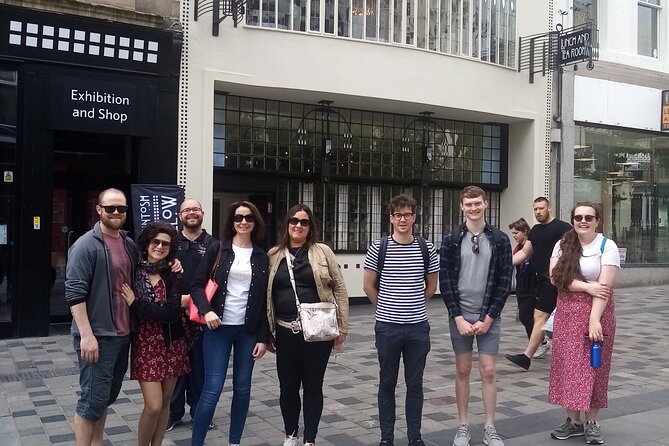
At $27.62 per person for about two hours, you are paying for guided interpretation more than for paid entry fees. Most stops are exterior visits only, and most admissions are not included. That keeps the price reasonable, but it does mean you should treat this as a design walk first, a ticketed attraction second.
Where the value really lands is at the end. The Mackintosh at the Willow exhibition is included with your walking tour ticket, so your money does convert into a real indoor experience rather than just photos in bad weather.
Another value point is group size. With a maximum of 15 people, the guide can keep everyone together while still answering questions. In groups I’ve heard described, guides such as Tommy, Vas, and Louise have a knack for making the details stick, and they tend to be responsive when people ask follow-ups.
More ground covered on foot
- Glasgow City Centre Walking Tour with Local Guide
★ 5.0 · 1,326 reviews - Glasgow Street Art Daily Walking Tour: 2pm
★ 5.0 · 648 reviews - Gander Walking Tours in Glasgow
★ 5.0 · 506 reviews - Gothic Glasgow Walking Tour
★ 5.0 · 448 reviews
Start at Clutha & Victoria Bar, then build context fast
You meet at Clutha & Victoria Bar, 159 Bridgegate, Glasgow G1 5HZ. It’s a central starting point, and the tour is near public transportation, which helps if you are combining it with other plans that day.
The timing is also practical. This starts at 10:00am on Saturdays. That gives you a full afternoon afterward, and it tends to be a comfortable way to beat the heavier crowds that can build later in the day.
Expect a quick orientation at the beginning. The guide sets up Mackintosh’s background in a way that makes the rest of the route easier to understand. It’s not just naming buildings. It’s giving you a lens for what to look for as you move.
Practical tip: since Glasgow weather can swing fast, bring a light rain layer and shoes that handle damp pavement. One windy, wet-morning walk sounds like the norm more than the exception.
The route from Mackintosh’s Glasgow to the Willow Tearooms exhibition
Here’s what the experience feels like, stop by stop, and why each place fits the story. Most of your time at each stop is spent looking outward at the architecture and getting context from your guide.
Stop 1: The Clutha Bar (10 minutes, exterior)
This is where you start the story and hear about Mackintosh’s background. Even with an exterior-only visit, it works as a mental warm-up. You learn how the city environment and the period he worked in shaped the designs that people still recognize today.
What to do while you’re standing there: look at the overall street presence, not just one decorative detail. Mackintosh’s legacy is about style, but also about how design interacts with place.
Stop 2: Saint Enoch Square (10 minutes, free)
From the first stop you shift into the feel of central Glasgow. Saint Enoch Square helps you picture the kind of city that supported artists, designers, and ambitious projects.
This stop is short, so don’t over-plan to chase every visual clue. Instead, let your guide connect it back to Mackintosh’s life and work, then keep moving while the route stays fresh in your head.



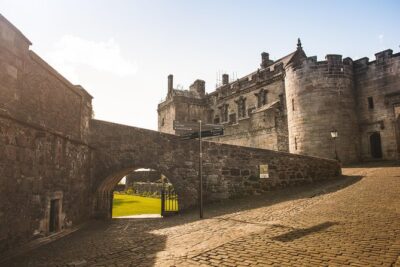
Stop 3: Sloans (5 minutes, exterior)
At Sloans, the focus is Mackintosh’s partnership with Mrs Cranston. If you know Mackintosh mainly from iconic furniture or architecture, this is a useful pivot into the world of tea rooms and the teamwork behind big design moments.
Why it matters: you’re learning that Mackintosh was not working in isolation. His name is famous, but his impact grew through collaboration, and that collaboration helped shape Glasgow’s public design culture.
Stop 4: Buchanan Street and the Willow Tearooms reproduction (5 minutes, exterior)
You’ll view the Willow Tearooms on Buchanan Street, but it’s a reproduction, not the original. It’s a quick stop, so the main goal is to understand the difference between the landmark look and the actual historic site.
This is a helpful moment because it teaches you how to think about authenticity in design tourism. A street-level sight can still tell a story, even if it’s not the original object.
Stop 5: The Lighthouse (20 minutes, exterior visit only, exhibition time)
The Lighthouse is one of Mackintosh’s early designed buildings, and it’s a logical place to pause for views and context. Your time here is longer than many other stops because you have the chance to see the exhibition on site, while also taking in what the building offers from the street.
One consideration: admission for this stop is not included, so you should treat it as an opportunity depending on what’s open and what you’re willing to pay for separately.
If the Lighthouse exhibition is unavailable, the good news is you still get a meaningful architecture pause and a guided explanation of why the building belongs in Mackintosh’s timeline.
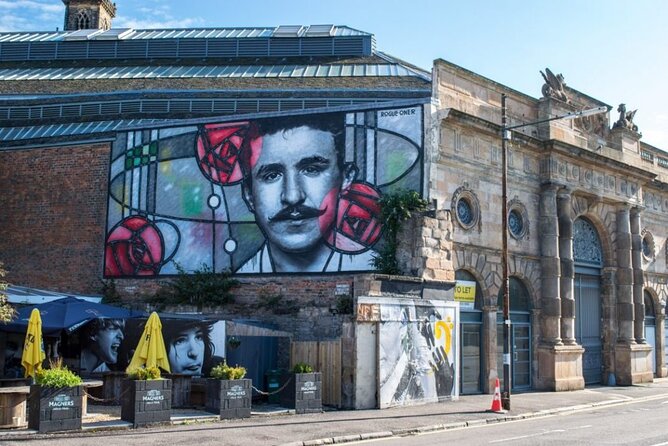
Stop 6: The Daily Record Building (10 minutes, exterior)
This is a visual punch. You’ll marvel at the building’s colour and design, and your guide will connect what you see to why Mackintosh’s style became so influential.
Keep your eyes moving. From a distance, look at the overall composition. Then zoom in mentally to see how the decorative choices shape the facade rather than just sitting on top of it.
Stop 7: Glasgow Savings Bank Building (5 minutes, exterior)
This stop is brief but pointed. You’ll view a building designed with inspiration from Alexander, Greek Thomson. Mackintosh’s world overlapped with other architects, and understanding those links helps you see why Glasgow design developed its own strong identity.
Even if you only have a few minutes, it’s worth lingering for a clear look. A short stop still works when your guide gives you a small checklist of what matters.
Stop 8: Bath Street Palomino, Mackintosh’s first married flat (10 minutes, exterior)
Now you shift into the human side of the story. This is where you learn about Mackintosh’s first married flat, before he moved to a new place in the West End with Margaret.
What makes this stop special is the way it turns design into life history. It’s the difference between seeing buildings as objects and seeing them as parts of someone’s daily routine, priorities, and ambitions.
You might even catch design elements visible through the window, depending on what you can see from the street.
Stop 9: The Glasgow Art Club (15 minutes, exterior)
This stop gives you a broader cultural angle. You’ll see Mackintosh’s work and hear about the ladies art movement of the time.
This is also a good stop for questions. If you’ve ever wondered how artists, designers, and patrons worked in that era, you’ll get direction here without needing to hunt through multiple books.
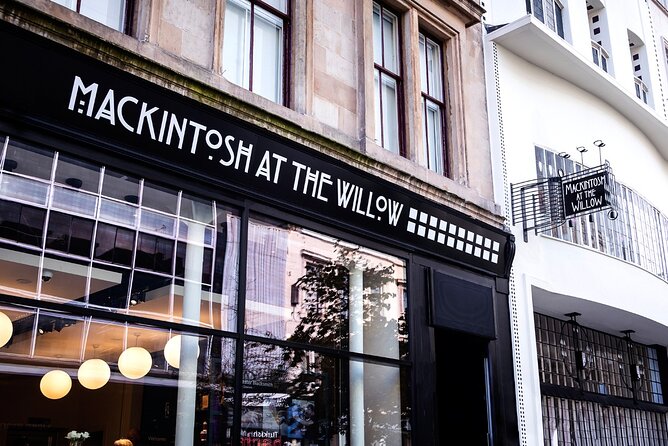
Stop 10: Mackintosh at the Willow (about 60 minutes total, ticket included)
You finish at Mackintosh at the Willow, 215 217 Sauchiehall St, Glasgow G2 3EX. Your tour ticket includes entry to the exhibition, and you’ll have around an hour to explore.
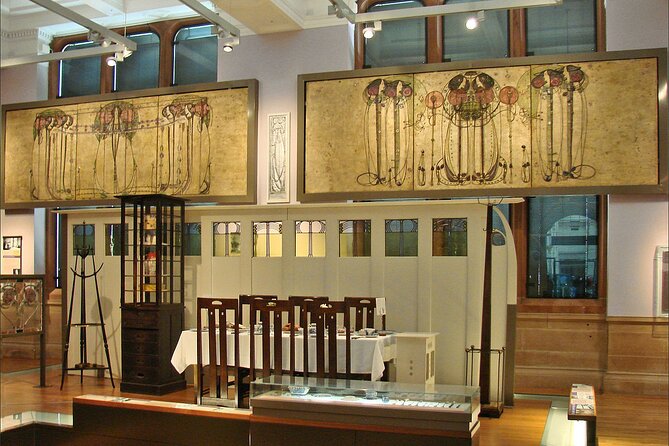
This is where the tour pays off. The walk sets the scene, and the exhibition helps you connect the street view to the actual design ideas, objects, and context behind them.
If you want to shop for design souvenirs, this is the place to do it, but don’t let that swallow your time. Slow down inside and look for the design themes your guide highlighted earlier.
Guides make the difference: Tommy, Vas, and Louise style energy
A big part of the success of this tour is the guide’s storytelling. When guides such as Tommy, Vas, and Louise lead the walk, the common thread is clear explanations with an easy sense of humour. People also appreciate the Q and A feel, where the guide does not act like they are racing through a script.
One thing to consider: Glasgow accent and local patter show up on a few walks. If you prefer straightforward, neutral phrasing, you may want to ask questions during the route. Good guides adjust, and you’ll get more out of the experience when you steer clarification toward what matters to you.
How pacing works, and what to wear for Glasgow weather
The tour is designed to move at a pace where you can stop often, look outward, and listen without straining. The time at each stop is short, so expect brief explanations and lots of looking. The longest stop is the Willow exhibition at the end, which is your chance to slow down.
What to wear:
- Layers, because indoor to outdoor changes can be sharp
- Rain protection, because you can get a wet surprise even in a morning forecast
- Comfortable shoes, because the route is in central Glasgow streets
One more practical note: service animals are allowed, and most travelers can participate. If you have mobility concerns, you may still want to plan for regular walking between stops, since the tour is built around street viewing.
Who should book, and who might want a different plan
This tour is a great fit if you:
- Love architecture and want to see it in context
- Know Mackintosh from books but want to connect the name to real places
- Prefer small groups and active guidance over silent self-guided wandering
- Want a morning activity with a strong finish at an exhibition
You might skip it or choose something else if you:
- Want lots of inside access at multiple stops, because most locations are exterior-only
- Don’t enjoy walking city-centre streets for a couple of hours, even at an easy pace
- Are likely to be annoyed if a specific exhibition space is closed on that day, since access to some sites is not included in the tour price
Should you book the Charles Rennie Mackintosh Walking Tour?
Yes, if you want Mackintosh in Glasgow as a real-world story. The route is short enough to do on a half-day plan, and the ending at Mackintosh at the Willow makes the experience feel complete. For the price, you’re getting interpretation and a guided route through places you probably would not connect on your own.
Book it especially if you’re the type who likes asking questions. Guides who lead this walk well tend to answer thoughtfully, and you’ll leave with a clearer understanding of how Mackintosh shaped Glasgow design during his lifetime.
One last practical tip: double-check your reservation details and keep your confirmation handy. Booking directly with the tour operator can reduce the odds of last-minute list mixups.
FAQ
What day and time does the Charles Rennie Mackintosh walking tour run?
It runs on Saturdays at 10:00am.
How long does the tour take?
Plan on about 2 hours.
Where does the tour start and where does it end?
It starts at Clutha & Victoria Bar, 159 Bridgegate, Glasgow G1 5HZ, UK, and ends at Mackintosh at the Willow, 215 217 Sauchiehall St, Glasgow G2 3EX, UK.
Is the tour offered in English?
Yes, the tour is offered in English.
How many people are in the group?
The tour has a maximum of 15 travelers.
Is admission included for all stops?
No. Most stops are exterior visits and admission is not included. Admission is included for the Mackintosh at the Willow exhibition at the end.
What happens if weather is poor or I need to cancel?
You can cancel for free up to 24 hours in advance for a full refund. If the tour is canceled due to poor weather, you’ll be offered a different date or a full refund.
More Ground on Foot




A Wider Spread of Tours



The Rest of What We Wrote Up
Newest write-ups around Glasgow
- The Scottish Highlands Photography Tour & Workshop★ 5.0 · 3 reviews
- Scottish Highland Day Tour from Glasgow★ 5.0 · 3 reviews
- Whisky Adventure – Private Day Tour from Glasgow★ 5.0 · 3 reviews
- 3 Day Isle of Skye Eilean Donan Castle and Loch Ness Tour★ 5.0 · 3 reviews
- Pints & Past: Glasgow Pub Tour Private Tour★ 5.0 · 3 reviews
Walking Tours, compared.
 ★ 4.5Underground Vaults Walking Tour in Edinburgh Old TownFrom $338,506 reviews
 ★ 5.0Edinburgh Castle: Guided Walking Tour with Entry TicketFrom $515,540 reviews
 ★ 5.0Edinburgh Castle Guided Walking Tour in EnglishFrom $525,214 reviews
 ★ 5.0Edinburgh Darkside Walking Tour: Mysteries, Murder and LegendsFrom $293,862 reviews
 ★ 5.0Haunted Vaults Walking Tour in EdinburghFrom $332,183 reviews
 ★ 5.0Old Town Walking Tour History and Tales in EdinburghFrom $242,168 reviews
 ★ 5.0The Mountebank Comedy Walk of EdinburghFrom $361,813 reviews
 ★ 4.5Haunted Vaults and Graveyard Walking Tour in EdinburghFrom $361,702 reviews
Browse the lists this tour appears in