
REVIEW · GHOST TOURS, VAULTS & DARK HISTORY
Edinburgh – Dark History
Old Town gets a whole new mood on this walk. I love how the route hits major dark-history sites on the Royal Mile, and I also like that the focus stays on real places like the Heart of Midlothian and Canongate Kirk. The best part is how the stories connect people, crime, and the city’s everyday life.
Two practical bonuses make it easier to enjoy: you get a mobile ticket, and the stops you visit have free admission noted as part of the experience. That said, one thing to plan for is time and weather. Even when it is advertised as around 90 minutes, some departures run closer to 2 hours, and the pacing can feel a bit one-direction when the group is moving fast in cold or drizzle.
If you want a straightforward walk that turns Edinburgh into a living crime scene, this is a strong pick. And if you are the type who likes your history with humor and uncomfortable details, you will probably have a great time.
In This Review
- Key highlights you should know before you go
- Why Edinburgh’s Royal Mile Feels Different After Dark
- Price and What You Actually Get for About $22.19
- The Route Starts at West Parliament Square and Ends at Canongate Kirk
- Stop 1: Heart of Midlothian, Old Tollbooth to The Hard of the Midlothian
- Stop 2: St Giles’ Cathedral and the Burial Place of a Controversial Figure
- Stop 3: Mercat Cross, Execution Footprints, and a Killing Machine Detail
- Stop 4: Royal Mile Stories About the Black Plague and Sanitation Traditions
- Stop 5: John Knox House Museum for a Quick 16th Century Contrast
- Stop 6: Canongate Kirk Graves, Body Snatchers, Cannibals, and Ghost Lore
- Guides Make or Break It, and This Tour Has Real Standouts
- How to Prepare: Comfort Tips for a Cold, Wet Royal Mile Walk
- Who This Tour Fits Best (and Who Might Skip It)
- Should You Book Edinburgh – Dark History?
Key highlights you should know before you go
- Royal Mile storytelling built around specific trouble spots, from the Old Tollbooth to the graveyards of Canongate Kirk
- Real landmarks, not generic scares, including St Giles Cathedral and Mercat Cross
- A compact format, about 2 hours, with short stops that still add up
- Guides with strong showmanship, with praised performances from Robert, Joe, James, Kieran, Chris, and Lydia
- Small-to-midsize groups, with a max of 30 travelers
- Night walk energy, with several guides reported to make it feel extra atmospheric after sunset
Why Edinburgh’s Royal Mile Feels Different After Dark
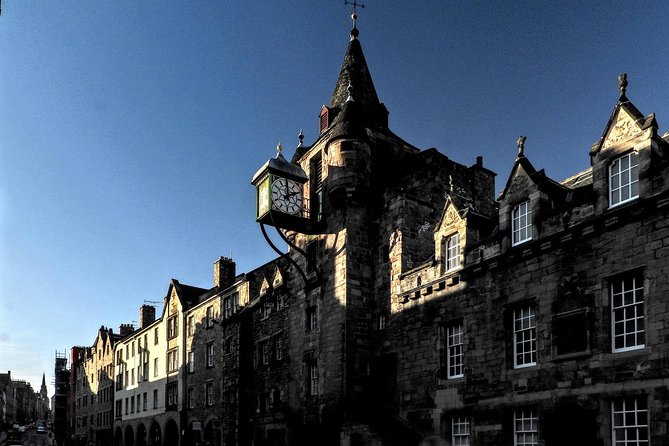
Edinburgh has a way of making stone look like it has a memory. On a walk that focuses on arrests, punishments, plague, and rumors, the Royal Mile stops being just a pretty spine through the Old Town. Instead, you start noticing how close the city’s rules and its violence used to live.
I especially like how this kind of tour does not treat dark history like a theme park. It links the horror to actual civic spaces you can stand in. That makes it easier to picture what life meant back then, whether you are thinking about law and order, public fear, or how quickly rumor can turn into tradition.
One more detail that matters: the tone. Several guides are praised for mixing factual storytelling with humor, so the mood stays tense without turning into pure shock value. That balance is part of the value, because you leave with context, not just grim scenes.
Price and What You Actually Get for About $22.19
At $22.19 per person, you are paying for a guided walk that clocks in at about 2 hours and covers multiple major sites in the Old Town core. That can be good value in Edinburgh, where self-guided sightseeing often requires paying for entry or spending lots of time figuring out what to do next.
Here’s why the price makes sense for you: most of the stops are listed as admission ticket free, and you are not stuck wandering for long stretches without a point. The structure is also tight. You get short, targeted stops like 10 minutes at each key landmark, plus longer story time at a couple of places, so the tour keeps moving.
Group size also matters. The tour caps at 30 travelers, which usually helps with hearing the guide and staying together. In at least one cited experience, the group felt fairly small, which is exactly what you want if you hate hearing your guide only in half the moments.
Darker walks for when the streetlights come on
- Underground Vaults Walking Tour in Edinburgh Old Town
★ 4.5 · 8,506 reviews - Edinburgh Darkside Walking Tour: Mysteries, Murder and Legends
★ 5.0 · 3,862 reviews - Ghost Bus Tour of Edinburgh
★ 4.5 · 2,761 reviews - Haunted Vaults Walking Tour in Edinburgh
★ 5.0 · 2,183 reviews
The Route Starts at West Parliament Square and Ends at Canongate Kirk
The walk begins at West Parliament Square (W Parliament Sq, Edinburgh EH1 1RF) and finishes at Canongate Kirk (153 Canongate, Edinburgh EH8 8BN). That matters for two reasons.
First, the start puts you right where the Old Town flow makes sense. You are already in the heart of the Royal Mile corridor, so you can build the rest of your day around it. Second, ending at Canongate Kirk is a natural handoff to exploring the Canongate area after the tour, instead of dumping you somewhere random.
As for pacing, plan on a lot of walking. It is a walking tour down the Royal Mile with multiple stops, and the length is closer to a steady 2-hour experience. If you are sensitive to cold nights, bring layers. Several experiences mention freezing temperatures after sunset or rain starting, and Scotland does not negotiate.
Stop 1: Heart of Midlothian, Old Tollbooth to The Hard of the Midlothian

Your first meaningful stop is the Heart of Midlothian, tied to the Old Tollbooth, one of Edinburgh’s most notorious buildings. This is where the tour sets its baseline: law and punishment were not hidden away. They sat in the public view.
The story you hear here focuses on people who were imprisoned and/or executed in the building, and it also explains why the site became known as the Hard of the Midlothian after recognition by Sir Walter Scott. That detail is more than name trivia. It shows how literature, public memory, and real suffering can get stitched together until a nickname outlasts the original purpose of the place.
Why this stop works: it gives you a mental framework for the rest of the walk. Once you understand that the city used visible institutions to enforce order, the later execution sites and graveyard lore hit harder.
A small consideration: it is only about 10 minutes, so if you like asking lots of questions, you will want to do it while the group is paused. The guide may keep things moving, especially if weather is pushing everyone along.
Stop 2: St Giles’ Cathedral and the Burial Place of a Controversial Figure
Next comes St Giles’ Cathedral. This stop is described as having a secret feeling, tied to what you see around it, and the guide points out that the cathedral area connects to the burial place of one of the most controversial figures in Scottish history.
Even without turning it into a scare-fest, this is a powerful moment because cathedrals are usually framed as religious spaces. Here, you are asked to look at how the church and politics tangled together. That makes the cathedral feel less like a postcard and more like a site where power was argued, enforced, and remembered.
Also, the cathedral area connects to later details. If you are the type who likes to spot themes, you will likely notice the tour linking this stop to the execution talk at the Mercat Cross.
Practical note: the stop is about 10 minutes, so treat it as a narrative waypoint, not a museum visit. You will learn what to watch for in the cityscape rather than leaving with a deep formal tour of the building.
Stop 3: Mercat Cross, Execution Footprints, and a Killing Machine Detail
Mercat Cross is another execution site brought into focus. The guide explains why the building mattered in the life of the city and adds a chilling detail about a literal killing machine that was once kept inside St Giles Cathedral.
This is one of those moments where you realize Edinburgh’s “center” was also its enforcement hub. Mercat Cross was tied to public life, announcements, and the daily rhythm of Old Town. So when the story shifts to executions, it lands in a place you can picture people walking past as normal routine.
Why I think this stop is worth it: it turns an architectural landmark into a functioning part of a grim system. Instead of treating history like a list of dates, you see it as a lived process.
One drawback to keep in mind is tone. If you prefer lighter city history, you might find the “killing machine” detail heavy. Still, the tour appears to keep it grounded in what happened and where it happened, rather than piling on extra gore for shock.
History-led days, told differently




Stop 4: Royal Mile Stories About the Black Plague and Sanitation Traditions
Now you walk the Royal Mile while hearing how the Black Plague shaped fear and daily life, and how poor sanitary conditions mattered. The guide then explains how those conditions led to a peculiar tradition.
This segment is where the walk truly becomes a story march. You are moving while absorbing context, so you are not stuck staring at one wall for the entire tour. You also get a bigger picture of why “dark history” is not only about executions. It is also about how disease and hygiene shaped habits, rules, and public behavior.
This is also the part where the timing can feel weather-dependent. If it is drizzling or cold, the walking can be bracing, even when the guide keeps the energy up. If you want maximum comfort, plan to dress for wind and damp, not just indoor sightseeing.
Another good thing to know: the tradition element is often what people remember later. It gives you a specific cultural output that connects sanitation problems to a city habit you can spot in the streets and in the way locals tell stories.
Stop 5: John Knox House Museum for a Quick 16th Century Contrast
John Knox House Museum is a short stop, about 5 minutes, and it is used for a different kind of lesson. Here, the focus shifts to the architecture of 16th century Edinburgh and to an authentic corner in the city centre.
I like this stop because it acts as a reset. After multiple stops that focus on punishment, death, and fear, you get a taste of how the city actually looked and how people lived in older built spaces. It helps the stories feel less like distant legends.
One review detail that can help you plan: you only go up one flight of stairs, so this is not a long accessibility hurdle. Still, the tour is a walk, so you should expect uneven pavement and standing time.
Since it is brief, use it to absorb the texture of the area, not to expect a full museum visit. The guide gives you enough to picture the era quickly, then you move on.
Stop 6: Canongate Kirk Graves, Body Snatchers, Cannibals, and Ghost Lore
Canongate Kirk is the longest stop, around 40 minutes, and it is where the tour’s folklore angle really comes alive. You wander among graves of old while hearing about body snatchers and cannibals, and you also learn how ghost stories are born.
This is not just shock content. The tour uses these gruesome elements to explain how rumors get attached to real places, and how fear creates its own storytelling engine. That is why this stop can feel different from the earlier landmarks. Instead of focusing on law and public punishments, it leans into what people feared in private and what became legend.
If you are into true-crime style history, this is likely your favorite segment. Several experiences mention plenty of gore and graves, which tells you the guide is willing to treat the subject matter seriously while keeping it conversational.
A balanced note: because this stop is long, it is also where cold and rain can wear on you if you are not dressed for it. Still, many guides are praised for keeping the atmosphere moving, even in zero-degree-ish conditions after sunset.
Guides Make or Break It, and This Tour Has Real Standouts
Part of the reason this experience scores so high is storytelling delivery. Names that show up again and again in praised experiences include Robert, Joe, James, Kieran, Chris, and Lydia. The pattern is consistent: guides are described as funny, engaging, and able to set the scene so the streets feel like a stage.
I also like that the guides appear to connect segments, tying one location’s story to the next. That matters because Edinburgh history can feel scattered if you are self-guiding. A good guide makes the city feel like one coherent narrative, even when the topics jump from plague to executions to graveyard legends.
Still, there is one caution you should listen to. A smaller number of experiences mention that interaction with tour participants can be limited, and that timing may run longer than advertised due to weather. If you are someone who needs lots of back-and-forth conversation, go into it knowing the tour format is primarily guide-led storytelling while everyone walks.
How to Prepare: Comfort Tips for a Cold, Wet Royal Mile Walk
This tour is simple in concept but practical details matter.
- Dress in layers, and expect Scotland weather changes. Cold evenings after sunset and light drizzle have been mentioned.
- Wear grippy shoes. Old Town streets are not made for slick soles.
- Bring a warm hat and something windproof if you get cold fast.
- If you are doing Halloween or another big date, aim to get there early so you are not rushed. Some experiences note the tour can be tailored for specific dates like October 31.
- If you need a moment to regroup, use the short stops. The tour pauses briefly at each landmark, and that is your chance to check phones and refocus.
Also, the tour is offered in English and uses a mobile ticket. If you hate fumbling with your phone outdoors, get the ticket ready before you leave.
Who This Tour Fits Best (and Who Might Skip It)
This walk suits you best if you want a concentrated, story-forward introduction to Edinburgh that goes beyond typical postcard sights. It is also a good fit if you enjoy true crime style history and like your facts connected to real places, such as the Old Tollbooth site and graveyard locations at Canongate Kirk.
You might consider skipping if you prefer light topics only, or if you dislike walking in the cold. Even the most entertaining guide can only do so much when rain forces everyone to move quickly.
If your group includes people with limited comfort for long museum-style sessions, this is a nice alternative. You get short stops with guided explanations, plus just enough time at the longer segments to feel like you absorbed something meaningful.
Should You Book Edinburgh – Dark History?
Book it if you want a short, focused Royal Mile walk that connects law, punishment, plague, and folklore to specific places you can actually point at in the city. At $22.19 and with free admission indicated for the stops, it is strong value for a guided evening that feels more like a moving story than a checklist.
I would especially recommend it if you care about authenticity, because the itinerary is built around real Edinburgh sites tied to execution, burial, and civic life. Just go in ready for cold weather, and know the tour is primarily guide-led storytelling while you walk.
If that sounds like your kind of night, this is an easy yes.
History, Told Differently




The Rest of What We Wrote Up


When the Streetlights Come On


Newest write-ups around Edinburgh
- Shore Excursion: Private Braveheart & Whisky country from Edinburgh★ 5.0 · 3 reviews
- Private Stirling Day Guided Tour in the Premier Classic LEVC TXE★ 4.5 · 3 reviews
- St Andrews and Culross Luxury Day Private Tour★ 5.0 · 3 reviews
- City Escape: Loch Ness Private Day Trip★ 4.5 · 3 reviews
- Scottish Castles & Whisky Tour★ 5.0 · 3 reviews
Ghost Tours, Vaults & Dark History, compared.
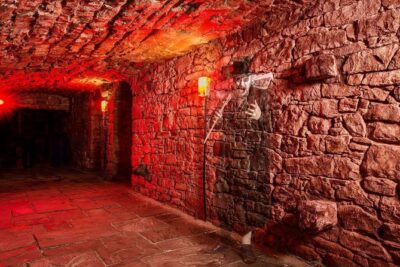 ★ 4.5The World Famous Underground Ghost TourFrom $269,272 reviews
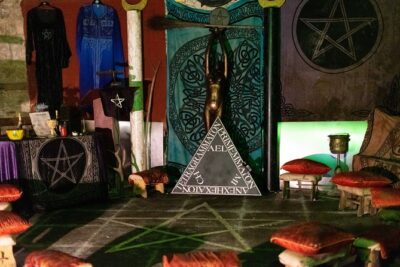 ★ 4.5Underground Vaults Walking Tour in Edinburgh Old TownFrom $338,506 reviews
 ★ 5.0Edinburgh Darkside Walking Tour: Mysteries, Murder and LegendsFrom $293,862 reviews
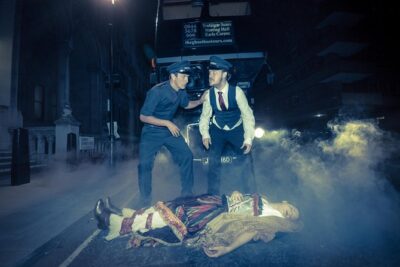 ★ 4.5Ghost Bus Tour of EdinburghFrom $242,761 reviews
 ★ 5.0Haunted Vaults Walking Tour in EdinburghFrom $332,183 reviews
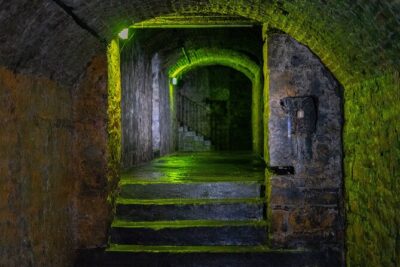 ★ 4.5Haunted Vaults and Graveyard Walking Tour in EdinburghFrom $361,702 reviews
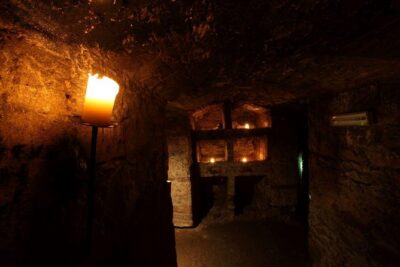 ★ 4.5Multi-Sensory Haunted Underground Vaults Tour in EdinburghFrom $371,649 reviews
 ★ 4.5Extreme Paranormal Underground Ghost Tour in EdinburghFrom $291,587 reviews
Browse the lists this tour appears in